Introduction: The Inefficiencies of the Traditional Supply Chain
The sprawling, interconnected network that defines the global supply chain—a complex system responsible for moving raw materials, components, and finished products across continents and through dozens of intermediary hands—is arguably the foundational engine of the modern economy, dictating the availability and cost of virtually every consumer good, from pharmaceuticals to fresh produce.
Despite its critical importance and massive scale, this traditional system remains plagued by fundamental vulnerabilities that are often hidden from the end consumer, including rampant inefficiencies caused by outdated, paper-based documentation, an alarming lack of centralized visibility, and pervasive issues related to fraud, counterfeiting, and unethical labor practices that undermine consumer trust.
The fragmentation inherent in these vast logistical networks means that data is often siloed, leading to delayed information sharing between partners, making it incredibly difficult to trace a product’s true origin or verify its journey through the various manufacturing and distribution checkpoints with verifiable certainty.
This pervasive opacity creates high risks for businesses, opens doors for illicit activity, and prevents consumers from making truly informed, ethical purchasing decisions, signaling a critical need for a revolutionary technological solution capable of replacing fragmented trust with a single source of verifiable, shared truth across all participating parties.
This is precisely the space where Blockchain technology, originally developed as the backbone for cryptocurrencies, is now emerging as the most potent and feasible solution, fundamentally capable of delivering the unprecedented level of transparency and immutable record-keeping that the entire global commerce ecosystem desperately requires.
Pillar 1: Deconstructing Blockchain’s Foundational Principles
To understand its impact on the supply chain, we must first grasp the core characteristics of Blockchain technology that differentiate it from traditional databases.
A. The Decentralized Ledger System
The fundamental structure of the blockchain is what eliminates the need for a single point of control or trust.
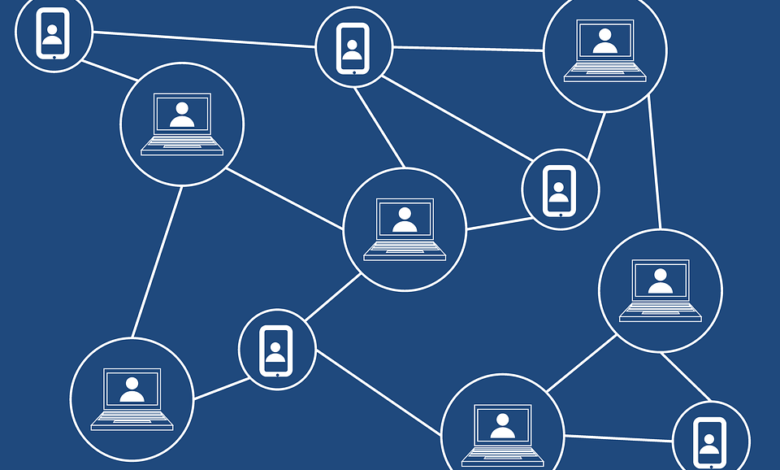
- Distributed Network: Unlike a central bank database or a single corporate server, the blockchain ledger is replicated and shared across a vast network of computers (nodes). This distribution ensures that no single entity controls the data.
- Consensus Mechanism: For any new transaction (or “block” of data) to be added, the majority of the network nodes must agree on its validity through a process known as a consensus mechanism (like Proof-of-Work or Proof-of-Stake).
- Elimination of Intermediaries: Because trust is established mathematically through the consensus of the network, the supply chain no longer relies on centralized, traditional third parties (like banks or notaries) to verify the movement of goods or funds, significantly reducing costs and delays.
B. Immutability and Cryptographic Security
Once data is recorded onto the blockchain, it is nearly impossible to tamper with, which is key to verification.
- Hashed Blocks: Each new block of transaction data is cryptographically hashed (given a unique digital fingerprint). This hash includes the hash of the immediately preceding block, mathematically linking them in a chronological chain.
- Tamper-Proof Record: If anyone tries to alter a record in an old block, the hash of that block instantly changes, which breaks the cryptographic link to every subsequent block in the chain, immediately alerting the entire network to the attempted forgery.
- Auditable History: The immutable nature of the ledger ensures that every step a product takes, from its raw material origin to its arrival on the store shelf, creates a permanent, auditable, and verifiable record that cannot be retrospectively altered by any single bad actor.
C. Smart Contracts and Automation
Blockchain goes beyond simple record-keeping by enabling automated, self-executing agreements.
- Automated Execution: Smart Contracts are self-executing agreements with the terms of the contract directly written into code. They automatically trigger actions (like releasing payment or updating inventory status) when pre-defined conditions are met (e.g., “Goods arrive at checkpoint X”).
- Reduced Delays: This automation eliminates manual paperwork, reduces human error, and drastically cuts down the time required for transactions, customs clearance, and payment releases within the supply chain.
- Traceability Enforcement: A smart contract can be programmed to refuse to move a shipment to the next stageunless all necessary quality certifications or compliance documents (recorded on the blockchain) have been verified, enforcing adherence to standards.
Pillar 2: Addressing Critical Weaknesses in Supply Chains
Traditional supply chains suffer from fragmentation and opacity. Blockchain directly targets these vulnerabilities to build trust and efficiency.
A. The Challenge of Opacity and Counterfeiting
The lack of transparent tracking makes it easy for counterfeit goods to infiltrate the legitimate supply chain.
- Product Provenance: Blockchain provides unbreakable proof of origin (provenance). By scanning a unique identifier (like a QR code or RFID tag) at the source (e.g., the farm or the mine), the product’s identity is forever linked to its initial block.
- Fighting Counterfeits: Consumers or distributors can scan the item and instantaneously verify its entire recorded history against the immutable ledger. If the scan reveals an incomplete or fraudulent history, the item is easily identified as a fake, protecting brand integrity and consumer safety.
- Asset Digitization: High-value goods, luxury items, and pharmaceuticals are digitized as non-fungible tokens (NFTs) on the blockchain, creating a unique digital certificate that proves ownership and authenticity throughout the entire lifecycle of the product.
B. Solving the Data Silo Problem
In traditional systems, data is isolated across different company departments and partners, hindering efficiency.
- Shared Single Source of Truth: Blockchain creates a shared, unified ledger that all verified participants (suppliers, manufacturers, logistics firms, retailers) access. This ends the problem of conflicting or siloed versions of data.
- Real-Time Visibility: Partners can track the precise location and status of goods in real-time without waiting for manual updates or proprietary system integration, leading to far more accurate demand forecasting and inventory management.
- Dispute Resolution: When disputes arise (e.g., “Was the shipment on time?”), the immutable timestamped recordon the blockchain provides an irrefutable, shared reference point, allowing for rapid and objective resolution.
C. Ethical and Sustainable Sourcing Verification
Consumers increasingly demand proof that their purchases meet environmental and social standards.
- Labor Tracking: Suppliers can use blockchain to record verifiable certifications of ethical labor practices and safe working conditions. This data is recorded as a compliance event linked to the product’s journey.
- Environmental Footprint: The chain can track emissions data, resource usage, and waste disposal at every stage of production, providing consumers and regulators with genuine, non-falsifiable proof of a product’s claimed sustainability (e.g., “carbon-neutral”).
- Fair Trade Certification: The system can automatically ensure that small producers are receiving the proper Fair Trade premium payments through automated smart contract releases, ensuring transparency in financial flows to the source.
Pillar 3: Practical Implementation in Key Industries

Various global industries, facing unique supply chain challenges, are pioneering the use of blockchain for transparency.
A. Food and Agriculture (Farm-to-Table Traceability)
The need for rapid traceability is critical during health crises and recalls.
- Recall Efficiency: In a foodborne illness outbreak, traditional systems can take weeks to trace the contaminated source. A blockchain system allows for instantaneous identification of the single farm or batch responsible, limiting the scope of the recall and saving lives.
- Quality Control: Data on temperature, humidity, and handling conditions during transport can be continuously logged onto the blockchain via IoT sensors. This immutable record proves that cold-chain requirements were met, ensuring product quality upon delivery.
- Consumer Trust: Consumers can scan a QR code on a fruit or vegetable to see the exact farm, harvest date, and certifications of the product, creating a powerful marketing and trust advantage for ethical producers.
B. Pharmaceuticals and Healthcare
The stakes are life-or-death, demanding the highest level of tracking and anti-counterfeiting measures.
- Serialization and Integrity: Every single drug package is assigned a unique blockchain identity (serialization) at the manufacturing stage. This identity tracks the drug through regulatory checks, distributors, and finally to the pharmacy.
- Preventing Counterfeiting: The verifiable identity prevents the entry of fake or substandard drugs, a multi-billion dollar illicit market that threatens public health globally, especially in developing nations.
- Clinical Trial Transparency: Blockchain can be used to securely and immutably record clinical trial data, increasing the transparency and reliability of drug research results for regulators and researchers.
C. High-Value and Luxury Goods
Blockchain is used here primarily to verify scarcity and authenticity for consumers.
- Diamond and Gemstone Tracking: Diamonds, for example, can be tracked from the mine to the jeweler, verifying that the stones are conflict-free and ethically sourced, adding value to the final product.
- Luxury Provenance: For high-end watches, designer bags, or fine art, the blockchain provides an unbreakable digital ledger of ownership history, proving authenticity and preventing fraud when the items are resold on secondary markets.
- Warranty Enforcement: Smart contracts can automatically verify the original purchase date and conditions of a luxury item, triggering or voiding warranties based on verifiable events in the product’s history.
Pillar 4: Technical Challenges and Adoption Hurdles
Despite its potential, the widespread adoption of blockchain in supply chains is constrained by technical and operational issues that are still being resolved.
A. Scalability and Transaction Speed
Current enterprise blockchain solutions must handle the enormous volume of global supply chain data.
- Throughput Requirements: Global logistics generate millions of transactions per hour. Many public blockchains (like Bitcoin) are currently too slow to handle this massive throughput efficiently.
- Enterprise Solutions: This has led to the development of permissioned or private blockchains (like Hyperledger Fabric), where transaction speed is faster because only a few known, verified entities are allowed to participate, sacrificing some decentralization for speed.
- Data Storage: While the blockchain records the metadata and the hash (the fingerprint) of the event, the massive amounts of underlying data (like high-resolution images or detailed IoT sensor readings) must still be stored off-chain, often in a secure cloud environment.
B. Integration and Interoperability
Making blockchain work with existing legacy systems is a major barrier to entry.
- Legacy System Integration: Most logistics firms rely on decades-old Enterprise Resource Planning (ERP) systems and manual processes. Connecting these legacy systems to a modern blockchain platform requires significant investment and complex middleware development.
- Interoperability: Different industries and consortiums are building their own blockchains. A crucial challenge is ensuring these different blockchains can communicate (interoperate) seamlessly (e.g., a shipping blockchain talking to a pharmaceutical blockchain).
- Standardization: The lack of universal data standards for how events (like “shipment received”) are recorded and formatted on the blockchain makes it difficult for global partners to onboard quickly and efficiently.
C. Legal, Regulatory, and Governance Issues
The technology is moving faster than the laws designed to govern it.
- Legal Status of Smart Contracts: The legal validity and enforceability of a self-executing smart contract vary widely across jurisdictions. A global legal framework is needed to ensure these agreements hold up in court everywhere.
- Data Ownership and Access: In a shared, decentralized ledger, defining who legally owns the data and who has the right to access it (especially confidential business information) requires clear governance models and regulatory oversight.
- Consortium Governance: Supply chain blockchains are often managed by a consortium of competitors. Establishing fair, transparent, and balanced rules for decision-making and participation within these groups is politically complex and fraught with conflict.
Pillar 5: The Future of Global Commerce and Blockchain
The long-term vision positions blockchain as the immutable trust layer for the entire future global economy, going beyond just tracking goods.
A. Dynamic Pricing and Insurance Models
Enhanced transparency enables radical changes in how risks are assessed and priced.
- Risk-Based Insurance: Insurers can access verifiable, real-time data on handling conditions, delays, and security breaches directly from the blockchain. This allows them to dynamically adjust insurance premiums based on the actual, verifiable risk of a shipment.
- Micro-Financing: The immutable transaction history creates a verifiable credit score for small suppliers in developing nations who lack traditional banking access. This allows them to secure micro-financing based on their proven track record of fulfilling orders recorded on the ledger.
- Automated Recalls: Smart contracts can be designed to automatically initiate and fund product recalls instantly upon verification of a defect block, removing human delay from critical safety procedures and ensuring immediate consumer notification.
B. Integrating IoT and AI with the Immutable Ledger
Blockchain acts as the anchor for data generated by other advanced technologies.
- IoT Data Trust: The massive influx of data from Internet of Things (IoT) sensors (temperature, location, light exposure) requires a trusted recording layer. Blockchain guarantees that this sensory data, often used as evidence, has not been tampered with.
- AI-Driven Optimization: Artificial Intelligence (AI) algorithms can leverage the complete, clean, and immutable history provided by the blockchain to run far more accurate predictive analytics, optimizing routes, predicting delivery delays, and identifying anomalies in real-time.
- Digital Passports: Every product will eventually have a comprehensive digital passport—an NFT or similar token—that contains all its life events, from manufacturing certifications to repair history and eventual recycling instructions.
C. The Rise of Tokenized Value Chains
The future could see the entire value chain represented by digital tokens and fractional ownership.
- Fractional Ownership: Blockchain enables the tokenization of physical assets, allowing multiple investors or companies to hold fractional ownership in a single high-value shipment or piece of machinery recorded on the ledger.
- Customs and Border Management: Government agencies are exploring using blockchain to instantly verify goods upon crossing borders, significantly reducing customs clearance times and improving trade efficiency by leveraging pre-verified digital identities.
- Interoperable Global Trade: The ultimate goal is a globally interoperable system where trade finance, logistics, customs, and payment processing all communicate instantly and seamlessly via decentralized ledgers, creating a massive boost to global trade velocity and trust.
Conclusion: The Foundation of Trust in Global Trade
Blockchain technology is poised to fundamentally redefine the nature of global commerce by establishing an unprecedented level of trust.
It eliminates the reliance on central authorities by leveraging a distributed, cryptographically secured, and shared ledger for all supply chain transactions.
The key feature of immutability ensures that every data entry, from origin to sale, creates a permanent and auditable record that cannot be changed.
This verifiable transparency is essential for combating the rising global threat of product counterfeiting and ensuring consumer safety across all markets, especially in high-stakes industries like pharmaceuticals.
The integration of smart contracts automates complex agreements, significantly reducing administrative delays and eliminating human error in transaction processing and regulatory compliance checks.
The adoption of blockchain is crucial for meeting the escalating consumer demand for verifiable proof of ethical sourcing, sustainable practices, and responsible labor conditions throughout the production process.
While facing significant technical hurdles in scalability and the complex integration with existing legacy systems, industry leaders are rapidly converging on standardized permissioned solutions to overcome these operational barriers.
Ultimately, by providing a single source of immutable truth, blockchain is not just making the supply chain efficient; it is restoring the foundational trust required for the next generation of global, complex, and ethical commerce.