The convergence of cutting-edge technology and environmental stewardship has birthed a new era of social innovation that prioritizes long-term planetary health alongside human progress. Modern sustainable tech solutions are no longer just niche experiments; they are the fundamental building blocks of a resilient global economy.
From AI-driven energy grids that drastically reduce carbon waste to circular IT life cycles that eliminate electronic refuse, these innovations address the most pressing challenges of our time. By embedding sustainability into the very architecture of our digital world, we can create systems that restore rather than deplete our natural resources.
This shift requires a radical reimagining of how we design, manufacture, and consume technology across every sector of society. The goal is to move beyond mere efficiency and toward a regenerative model where every technological advancement contributes to a more equitable and habitable world for future generations. As we navigate this transformation, the role of leadership, policy, and community engagement becomes vital in scaling these high-impact solutions to a global level.
The path to a greener future is paved with data, transparency, and a relentless commitment to ethical innovation. Businesses and individuals alike must recognize that the cost of inaction far outweighs the investment required to transition to sustainable alternatives today.
Strategic Pillars of Social and Environmental Tech

To achieve a meaningful global impact, innovation must be structured around specific pillars that address both ecological footprints and social equity. These frameworks ensure that technological growth does not come at the expense of the planet or its people.
A. Circular Economy Integration: Designing products for longevity, modularity, and total recyclability to minimize waste.
B. AI-Enabled Energy Optimization: Using machine learning to predict energy demand and optimize the distribution of renewable power.
C. Decentralized Resource Access: Leveraging blockchain and IoT to provide rural communities with direct access to clean water and energy.
D. Digital Social Innovation (DSI): Utilizing open-source platforms to solve local social challenges through community-driven tech projects.
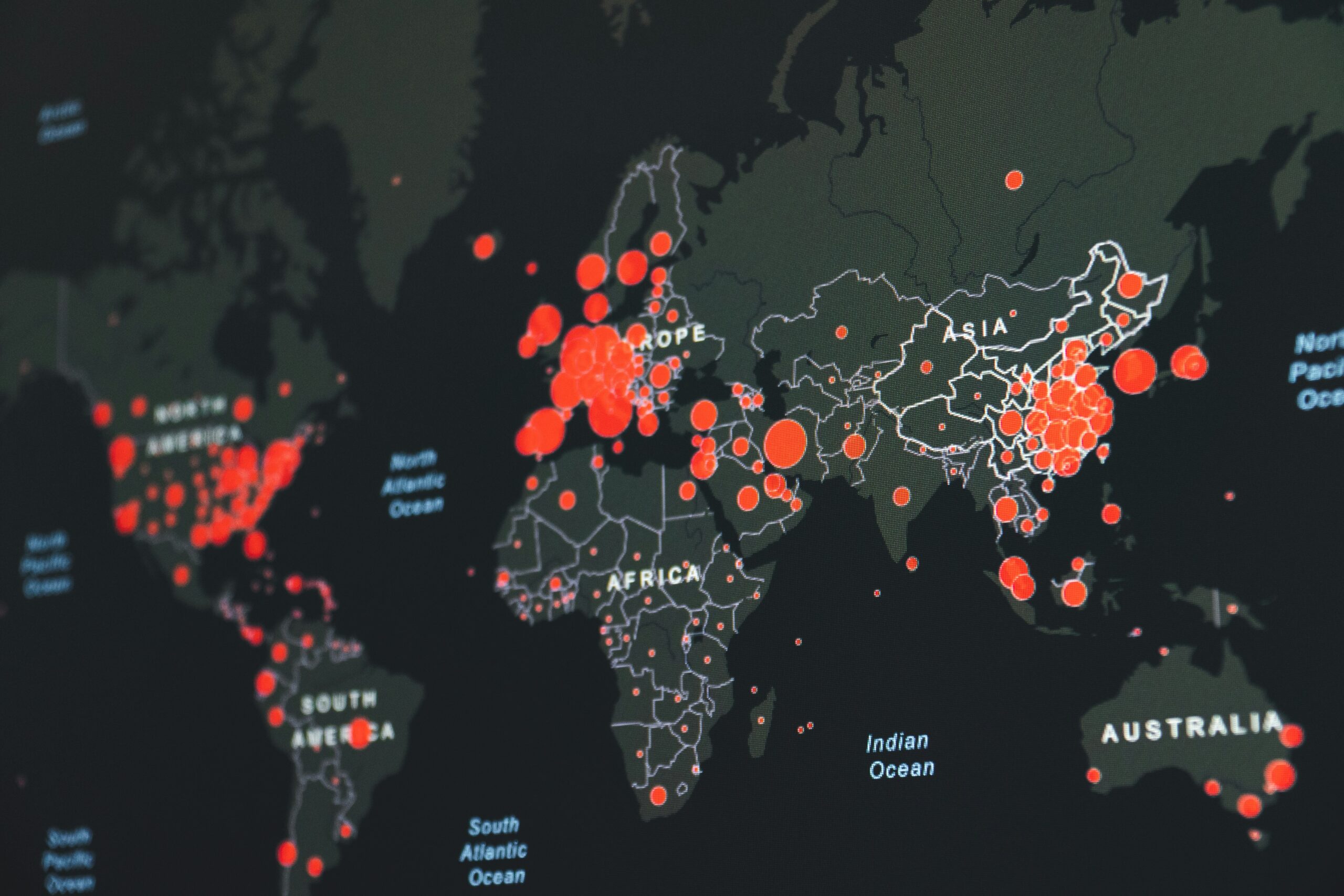
[Image showing the intersection of technology, society, and the environment]
These pillars provide a roadmap for organizations looking to align their operations with the United Nations Sustainable Development Goals. By focusing on these areas, tech leaders can ensure their innovations drive measurable positive change.
The Rise of Carbon-Neutral Digital Infrastructure
As our reliance on the cloud grows, the environmental cost of data processing has become a major focal point for innovators. The shift toward “Green IT” is essential for neutralizing the carbon footprint of the digital age.
A. Renewable-Powered Data Centers: Transitioning the world’s servers to run entirely on wind, solar, and geothermal energy.
B. Immersion Cooling Technologies: Replacing energy-intensive fans with liquid cooling systems that are 90% more efficient.
C. Edge Computing Efficiency: Processing data closer to the source to reduce the energy required for long-distance transmission.
D. Sustainable Coding Practices: Optimizing software code to require less processing power, thereby reducing the hardware’s energy draw.
This infrastructure shift is not just about environmental responsibility; it is also about operational resilience. Companies that adopt green data solutions often see significant reductions in long-term utility costs.
Regenerative Agriculture and Food Tech
Technology is playing a pivotal role in securing the global food supply while reducing the heavy environmental toll of traditional farming. Social innovation in this space ensures that nutrition is accessible to all.
A. Precision Farming with IoT: Using sensors to apply water and nutrients only where needed, reducing waste and runoff.
B. Vertical and Urban Farming: Growing produce in controlled indoor environments to save 95% more water than field farming.
C. Lab-Grown Protein Solutions: Developing sustainable alternatives to traditional livestock to lower methane emissions and land use.
D. Blockchain Supply Chain Transparency: Ensuring ethical sourcing and reducing food waste through better tracking from farm to table.
These solutions represent a massive shift in how we think about land use and nutrition. They provide a way to feed a growing population without destroying our remaining forests and ecosystems.
Empowering Communities via Inclusive Technology
True global impact must include the social dimension, ensuring that technology serves as a tool for empowerment and education rather than a barrier.
A. Affordable Connectivity Initiatives: Expanding high-speed internet to remote regions to unlock educational and economic opportunities.
B. Telehealth for Underserved Populations: Using mobile tech to provide expert medical consultations to those without physical access to clinics.
C. Fintech for Financial Inclusion: Providing digital banking tools to the unbanked, allowing them to participate in the global economy.
D. Accessible Design Standards: Ensuring that all sustainable tech is usable by people of all abilities, fostering true social equity.
Social innovation is at its best when it bridges the gap between the privileged and the marginalized. Technology is the bridge that can make equality a reality on a global scale.
Conclusion

Sustainable technology is the primary driver of positive global change in this decade. Innovation must always be balanced with a deep respect for our natural environment. Every business has a responsibility to audit its environmental and social impact. The transition to green tech is an opportunity for creativity and growth. Data-driven decisions are the only way to ensure real, measurable progress.
We must move away from a “take-make-waste” mindset toward true circularity. Collaboration between governments and tech giants is essential for scaling solutions. The social benefits of innovation are just as important as the environmental ones. Start by implementing small, efficient changes within your own organization today. A sustainable future is within our reach if we choose to build it together.