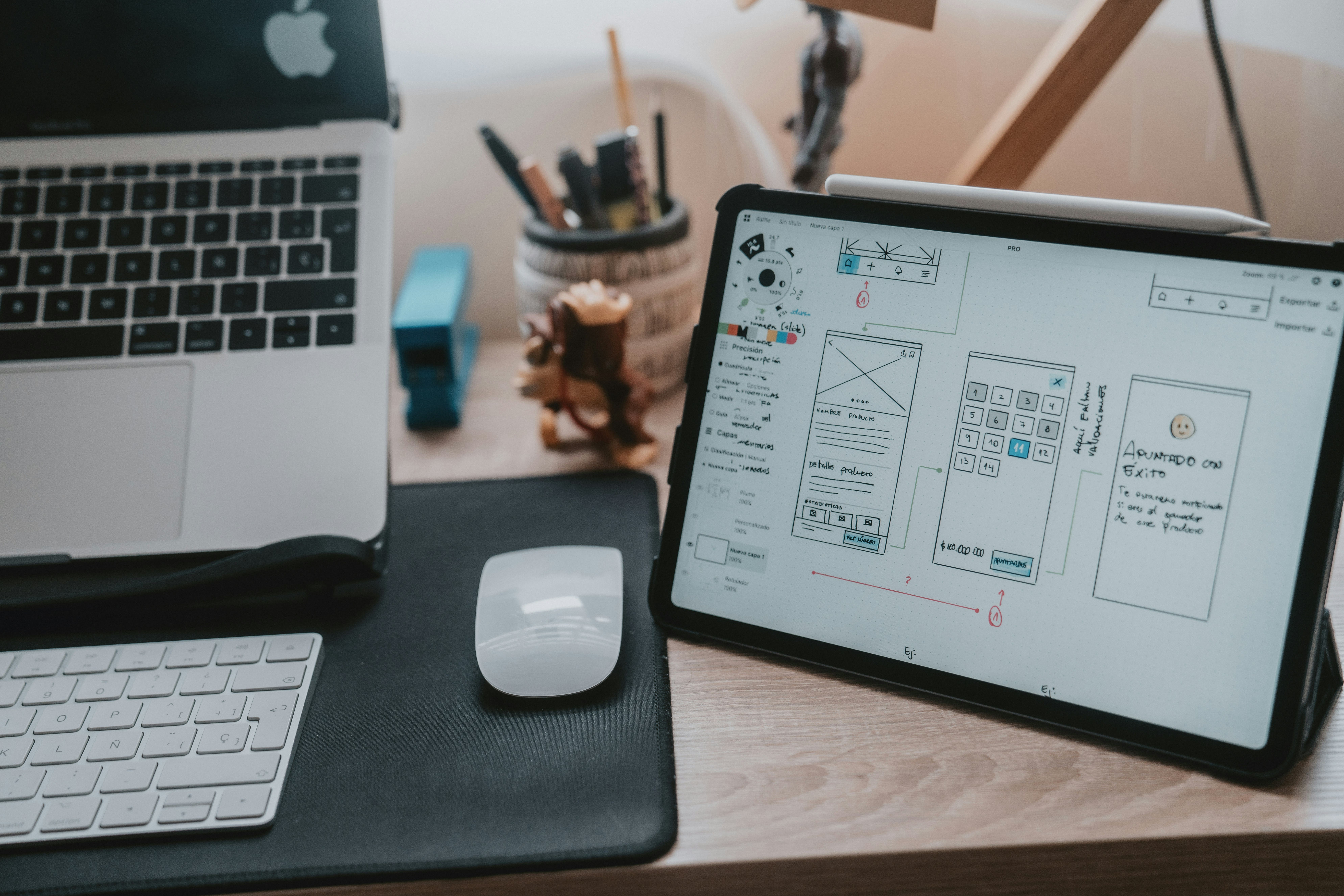
The landscape of modern manufacturing and digital creation has shifted toward a high-stakes environment where only the most refined ideas survive the brutal scrutiny of the global market. Creating a successful product today is no longer just about having a bright spark of inspiration in a vacuum; it is about following a rigorous, scientific framework that bridges the gap between human desire and technical feasibility. We are currently witnessing a revolution in the field of industrial and digital creation where speed-to-market must be perfectly balanced with an obsessive focus on user-centric design and structural integrity. High-performing teams are moving away from traditional, rigid development methods in favor of iterative blueprints that allow for constant evolution based on real-world data and live feedback loops.
This shift requires a deep understanding of material science, psychological triggers, and the complex logistics of global supply chains that span multiple continents. Mastering these elite blueprints allows a creator to minimize waste, maximize aesthetic appeal, and build a brand that resonates on a visceral level with a diverse range of consumers. Navigating this evolution means embracing a mindset that values rapid experimentation while maintaining an uncompromising standard of traditional craftsmanship. This guide is designed to deconstruct the mechanics of top-tier product innovation, providing you with a masterclass in the strategies that define current market leaders. By focusing on the synergy between form and function, you can transform a simple concept into a legacy asset that dominates its category for years to come.
The Foundation of Human-Centric Design Philosophy
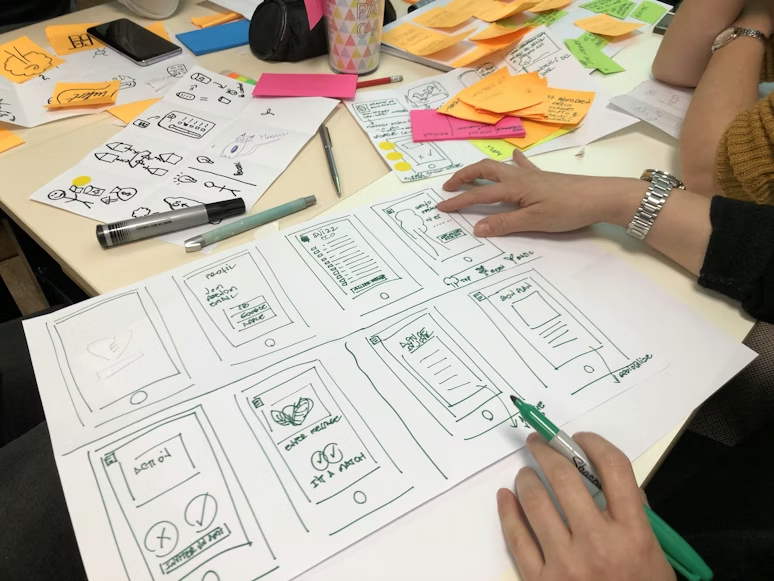
The first step in any elite blueprint is understanding that a product is ultimately a solution to a specific human problem or a bridge to a new aspiration. If you do not deeply understand the user’s daily friction points, you cannot design a product that provides genuine relief or utility.
A. Deep Empathy Mapping and Detailed User Personas
Designers must go far beyond basic demographics like age or location to understand the emotional and psychological state of their target audience. Empathy mapping allows you to visualize what a user sees, feels, and hears during their routine, identifying the hidden frustrations they might not even be able to articulate.
B. Defining the Minimum Awesome Product (MAP)
While the industry often talks about a Minimum Viable Product, elite creators have shifted their focus toward the “Minimum Awesome Product.” This involves identifying the specific core features that provide immediate, delightful value rather than just settling for basic functionality that merely works.
C. The Principle of Cognitive Load Reduction
Truly great design should feel invisible and effortless to the person using it, whether it is a physical tool or a digital interface. By reducing the number of unnecessary choices and simplifying the interaction points, you make the product feel more intuitive and significantly less stressful to operate.
Strategic Prototyping and Iterative Testing Blueprints
Prototyping is the critical bridge between a theoretical sketch on a screen and a physical reality that can be held and tested. It is the stage where your assumptions are tested against the unforgiving laws of physics and the unpredictable nature of human behavior.
A. Low-Fidelity Rapid Prototyping Techniques
Start with simple materials like cardboard, foam, or basic digital wireframes to test the core logic and flow of the design. This approach allows for incredibly quick changes without a heavy financial or emotional investment in a specific direction that might turn out to be wrong.
B. High-Fidelity Functional Models and Material Accuracy
Once the basic logic is sound, move to high-fidelity prototypes that mimic the exact look, feel, weight, and texture of the intended final product. This stage is critical for testing ergonomics and seeing how specific materials hold up under realistic conditions of wear and tear.
C. Behavioral Analytics and Unbiased User Observation
Testing two versions of a design simultaneously provides data-driven evidence of what actually works in the real world. Observing how a user naturally interacts with a prototype often reveals critical flaws or opportunities that they would never think to mention during a formal interview.
Advanced Material Selection and Structural Engineering
The physical substance of your product determines its longevity, its environmental impact, and its perceived value in the eyes of the consumer. Choosing the right “skin and bones” for your creation is an art form backed by intense engineering data.
A. Sustainable and Circular Material Sourcing Strategies
Elite blueprints now prioritize materials that are either recycled, upcycled, or fully biodegradable at the end of their lifecycle. Moving toward a “circular” design ensures that the product does not contribute to long-term landfill waste, which is increasingly important to modern buyers.
B. Tensile Strength and Advanced Stress Distribution
Engineering for true durability requires a deep understanding of how different materials handle physical stress and environmental changes. Using simulation software allows designers to identify potential pressure points and optimize the structure to be as light as possible without sacrificing strength.
C. The Aesthetics of Tactile Feedback and Haptics
The way a product feels in the hand—the specific “click” of a mechanical button or the texture of a premium surface—creates a lasting psychological impression. Selecting materials with the right haptic properties can elevate a basic product from a simple tool to a luxury experience.
Optimizing the Manufacturing and Supply Chain Stack
Even the most beautiful design is useless if it cannot be manufactured efficiently at scale and delivered to the customer in perfect condition.
A. Design for Manufacturing (DFM) Core Principles
DFM involves simplifying the assembly process at the drawing board stage to reduce costs and minimize the risk of human error during production. This often means reducing the total number of unique parts and using standardized components that are easy to source and replace.
B. Additive Manufacturing and 3D Printing Integration
Modern blueprints leverage 3D printing not just for the prototyping phase, but for the final production of complex or customized parts. This allows for intricate geometries that are physically impossible to create with traditional injection molding or machining.
C. Agile Supply Chain Management and Resilience
Building a resilient supply chain requires diversifying your suppliers across different regions to avoid bottlenecks caused by local disruptions. Elite developers maintain “buffer” stocks of critical components and use real-time tracking to manage the global flow of materials.
The Intersection of Aesthetics and Brand Identity
Visual design is the silent language through which your product communicates its value, purpose, and quality to the world.
A. Color Theory and Emotional Triggering Mechanisms
Colors are not just decorative choices; they provoke specific biological and psychological responses in the human brain. For example, specific shades of blue can signal trust and professional stability, while vibrant oranges can trigger a sense of urgency or creative energy.
B. Typography and Visual Hierarchy in Product Design
Whether on a physical label or a digital interface, the way information is organized impacts how quickly a user understands the product. A clear visual hierarchy guides the user’s eye to the most important features first, preventing confusion and enhancing the overall experience.
C. Iconic Form Factors and Instant Brand Recognition
Think of products that are instantly recognizable by their silhouette or outline alone, even without a visible logo. Creating an iconic form factor requires a delicate balance of unique geometry and familiar functional cues that people already understand.
Integrating Smart Technology and IoT Connectivity
The most innovative products of the modern era are those that can think for themselves, learn from the user, and communicate with other devices.
A. Seamless Sensor Integration for Data Collection
Incorporating miniature sensors allows a product to gather valuable data about its environment and the user’s specific habits. This data can then be used to provide personalized tips, automate repetitive tasks, or alert the user to maintenance needs.
B. Cloud Connectivity and Over-the-Air Feature Updates
A “connected” product can actually be improved long after it has left the factory and arrived in the consumer’s home. Over-the-air updates allow developers to fix software bugs, add new features, and keep the user experience fresh for many years.
C. Data Privacy Standards and Edge Computing
As products become smarter and more connected, protecting the privacy of the user becomes a top-tier design priority. Processing as much data as possible “at the edge” (on the device itself) rather than in the cloud can enhance both processing speed and personal privacy.
The Psychology of User Retention and Retention Cycles
Great products are not just purchased once; they are designed to become a persistent and positive part of the user’s daily habit.
A. Variable Reward Systems and Delight Factors
Designing a product that offers occasional, unexpected rewards—like a satisfying animation or a hidden feature—keeps users engaged over time. This keeps the experience from feeling stagnant and encourages the user to explore the product’s full potential.
B. Reducing Onboarding Friction for Instant Success
The first five minutes a person spends with a new product are the most critical for determining long-term loyalty. An elite blueprint ensures that the user achieves their first “win” or successful task as quickly and easily as possible.
C. Community Building and Social Integration Features
Products that allow users to connect with others—whether through shared data, competitions, or social features—create a powerful network effect. The more people join the ecosystem, the more valuable the product becomes to every individual user.
Life-Cycle Management and End-of-Life Strategy
True innovation must consider what happens to the product when it is no longer useful or has reached the end of its mechanical life.
A. Planned Adaptability vs. Planned Obsolescence
Instead of designing products to break after a few years, elite creators design them to be easily repaired or upgraded. Modular components allow a user to replace a battery, a screen, or a motor without having to throw away the entire device.
B. Second-Life Markets and Resale Value Support
Products that hold their physical and functional value well on the secondary market are seen as much better long-term investments. Encouraging a robust resale and repair ecosystem enhances the brand’s reputation for quality and craftsmanship.
C. Take-Back Programs and Material Reclamation
Responsible companies should provide easy ways for users to return old products for recycling or refurbishing. These reclaimed materials can then be used to create the next generation of products, significantly reducing the environmental footprint.
Navigating Intellectual Property and Patent Protection
In the world of elite design and innovation, your unique ideas and mechanisms are your most valuable currency.
A. Strategic Patent Filing and Global Legal Coverage
Protecting a unique internal mechanism or a distinct aesthetic silhouette requires a proactive and international legal strategy. Filing for patents in key markets prevents competitors from legally copying your hard work and diluting your brand.
B. Trademarking and Protecting the Brand’s Visual Assets
A strong brand name and logo are as much a part of the product’s value as the physical hardware itself. Trademarking your visual assets builds a legal wall around your market share and prevents consumer confusion.
C. Trade Secrets and Internal Information Security
Sometimes, an innovation is better protected as a trade secret within the company rather than through a public patent. Maintaining high levels of internal security ensures that your “secret sauce” or specific manufacturing process does not leak to the competition.
Scaling Innovation through Design Culture
The final and perhaps most important blueprint is not about the product itself, but about the culture of the team that builds it.
A. Cross-Functional Collaboration and Breaking Silos
Successful innovation requires breaking down the walls between engineers, designers, and marketing experts. When these groups work together from the very first day, the resulting product is much more cohesive and better aligned with market needs.
B. Continuous Learning and Future Trend Fore-Sighting
Elite teams are obsessive about what is coming next in the world of technology and society. They constantly study emerging trends and social shifts to ensure their next product is ahead of the curve rather than reacting to it.
C. The Power of Diverse Perspectives and Inclusive Design
Designing for a global market requires a team with diverse backgrounds, experiences, and viewpoints. This diversity leads to more creative problem-solving and helps the team avoid cultural blind spots that could harm the product’s success.
The Role of Storytelling in Product Success
Every elite product needs a narrative that explains why it exists and why the consumer should care about it.
A. Crafting a Compelling Origin Story
People connect with stories of struggle, discovery, and triumph. Explaining the “why” behind your product’s development helps build an emotional bond with your audience that goes beyond simple utility.
B. Visual Storytelling through Packaging and Unboxing
The experience of receiving and opening a product is a critical touchpoint in the customer journey. Premium packaging that tells a story and feels substantial reinforces the quality of the item inside.
C. Transparent Communication and Brand Authenticity
In an age of skepticism, being honest about your materials, your process, and your challenges builds deep trust. Authenticity is a rare and valuable trait that can set your product apart in a crowded marketplace.
Conclusion

Elite product development is a disciplined journey from a raw spark of an idea to a market-dominating physical or digital asset. Success in this field requires a constant balance between the cold data of engineering and the warm intuition of design. Every successful project begins and ends with a deep, empathetic understanding of the human being who will use it. Iteration is the most powerful tool in your kit for refining a rough concept into a polished and functional masterpiece. The materials you choose today will determine the environmental legacy your product leaves behind for future generations. Manufacturing efficiency is what allows a great idea to become a sustainable and profitable business at a global scale.
Visual beauty is not just an afterthought but a primary way to build immediate trust and desire with your audience. Smart technology and connectivity must always serve the user’s needs rather than just being added for the sake of novelty. Protecting your intellectual property is a mandatory step for anyone who wants to maintain a long-term competitive advantage. A strong internal design culture is the engine that will keep your company innovative year after year in any economy. Modular design and repairability are the new standards for quality in an increasingly eco-conscious and savvy consumer market.
Reducing friction at every single touchpoint is the fastest and most reliable way to build a loyal customer following. The most iconic and successful products are those that manage to feel both incredibly futuristic and comfortably timeless. Every tiny detail of the user experience contributes to the overall perception of your brand’s commitment to quality and excellence. True mastery in the world of design is the rare ability to take a complex technical solution and make it look simple. The blueprints provided in this guide are intended to be your roadmap as you navigate the difficult but rewarding path of innovation. Building the future is a marathon that requires patience, a willingness to fail, and an unwavering commitment to the highest standards.