Introduction: The Fragility of Centralized Energy Systems
For over a century, the industrialized world has relied almost entirely on the centralized electric grid, a vast, interconnected network where large-scale power generation facilities—typically massive fossil fuel or nuclear plants located far from population centers—send electricity across thousands of miles of transmission lines to reach end-users, creating a system characterized by massive scale and relative stability under normal operating conditions.
While this colossal “macrogrid” infrastructure successfully powered the 20th century’s economic expansion and technological advancements, its very design embodies a fundamental vulnerability: it operates based on the principle of single points of failure, meaning that damage to any critical component—a major power plant, a high-voltage substation, or a long-distance transmission corridor—due to severe weather, natural disaster, or physical attack can trigger a catastrophic cascading effect, resulting in widespread and prolonged power outages across massive geographical areas.
As the effects of climate change intensify, manifesting as more frequent and severe weather events, including intense hurricanes, prolonged heatwaves, and devastating wildfires, the fragility of this legacy, centralized system has become critically apparent, demonstrating its profound inability to provide reliable power when it is needed most, particularly during emergencies when electricity is essential for communications, healthcare, and public safety.
This escalating risk has driven a global, urgent necessity to embrace decentralized energy solutions, leading to the rise of Microgrids, a sophisticated and resilient power architecture that leverages localized renewable energy sources and smart controls to operate independently of the main grid, offering localized energy independence and crucial climate resilience.
Pillar 1: Deconstructing the Concept of Microgrids
A microgrid is essentially a smaller, self-contained electric grid that operates with the ability to function independently from the larger main power system.
A. Defining the Microgrid Structure
A microgrid possesses key characteristics that distinguish it from a standard power system or isolated backup generator.
- Distributed Energy Resources (DERs): At its core, a microgrid relies on local power generation using resources located close to the consumers, typically including renewable sources like solar arrays, wind turbines, and combined heat and power (CHP) generators.
- Point of Common Coupling (PCC): The microgrid has a single, defined electrical connection point to the main macrogrid. This allows it to import or export power when the main grid is stable.
- Island Mode Capability: The microgrid’s most critical feature is its ability to “island,” meaning it can automatically disconnect from the main grid during an outage or disturbance and continue to generate and deliver power to its local loads autonomously.
- Smart Grid Controller: A sophisticated microgrid controller (or Energy Management System) manages the balancing, synchronization, and switching between the DERs and storage assets, ensuring continuous power quality whether connected to the main grid or operating in island mode.
B. Distinguishing Microgrids from the Macrogrid
The differences in scale and operational philosophy are key to understanding the resilience of the microgrid.
- Scale and Scope: The macrogrid spans entire countries or large regions, focusing on bulk power transfer. The microgrid typically serves a smaller, geographically defined area, such as a university campus, a hospital complex, or a residential community.
- Centralized vs. Distributed: The macrogrid relies on centralized generation (massive power plants). The microgrid relies on distributed generation (multiple, smaller generators), minimizing the impact of a single failure.
- Resilience and Reliability: The macrogrid is susceptible to widespread failures. The microgrid is designed for high resilience and localized reliability, ensuring critical loads remain powered even if the main grid collapses.
C. The Necessary Role of Energy Storage
Renewable energy sources require robust battery systems for continuous operation and grid stability.
- Intermittency Management: Renewable sources like solar and wind are intermittent, meaning they only generate power when the sun shines or the wind blows. Battery Energy Storage Systems (BESS) store excess renewable energy for use during lulls or at night.
- Voltage and Frequency Regulation: Energy storage systems can provide instantaneous power injection or absorption to regulate the microgrid’s voltage and frequency, which is crucial for maintaining the precise quality of power needed by sensitive equipment.
- Black Start Capability: A BESS often enables the microgrid to “black start,” meaning it can bring the system back online after a total shutdown without relying on power from the outside macrogrid, a vital feature after a major blackout.
Pillar 2: Integrating Renewable Energy Sources (RES)
Renewable energy is the ideal power source for microgrids, aligning sustainability with independence and low operational costs.
A. Solar Photovoltaics (PV)
Solar power is the most common and geographically versatile renewable source integrated into modern microgrids.
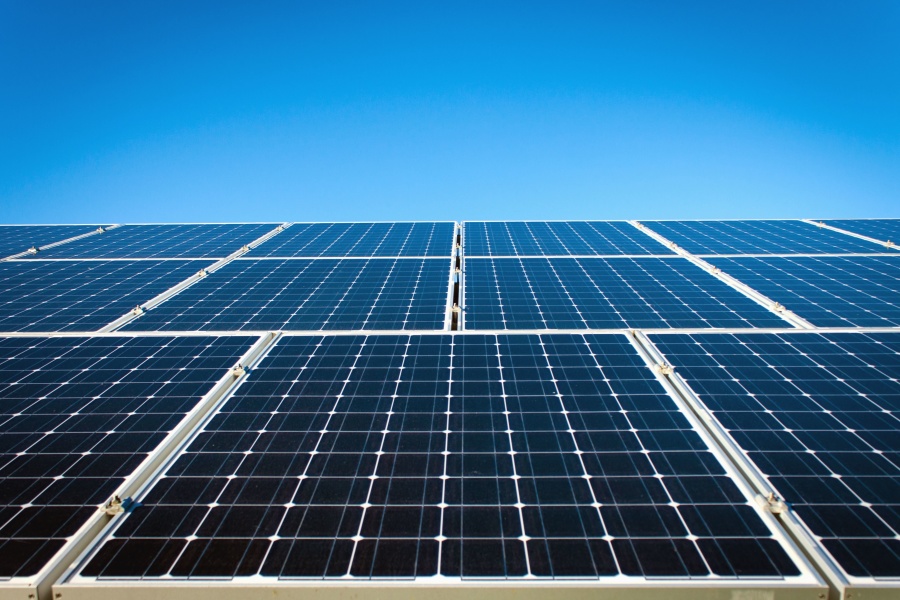
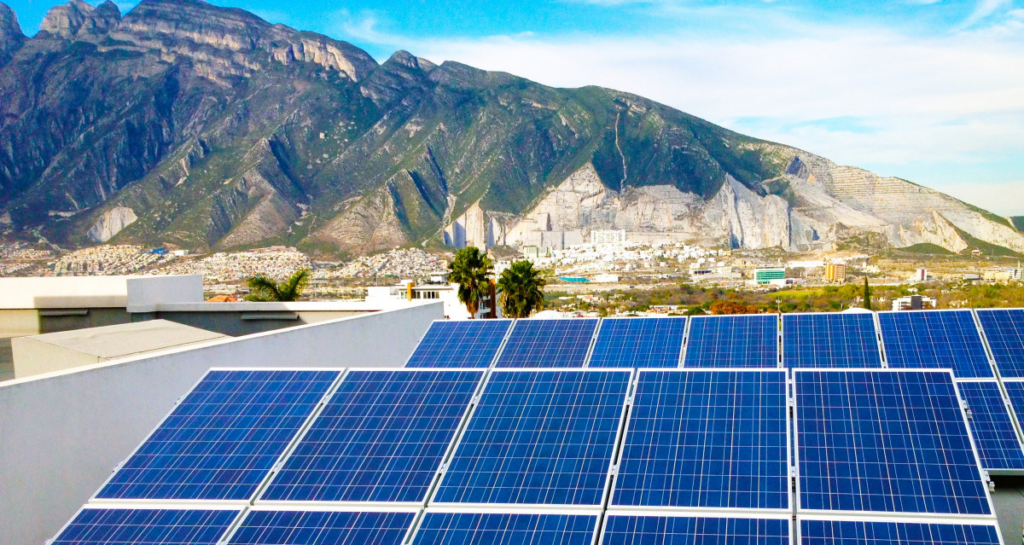
- Rooftop and Canopy Arrays: PV panels are easily integrated onto the roofs of buildings within the microgrid or used to form canopies over parking lots, minimizing land use and placing the generation point exactly where the power is consumed.
- Predictable Generation: Solar generation is highly predictable based on time of day and season, allowing the microgrid controller to effectively plan power distribution and storage charging cycles.
- Decoupling from Fossil Fuels: By relying on locally generated solar power, the microgrid decouples its energy supply from volatile fossil fuel markets, securing long-term price stability and reducing carbon emissions.
B. Combined Heat and Power (CHP)
While sometimes reliant on natural gas, CHP offers critical baseline power and thermal efficiency for microgrids.
- Simultaneous Generation: CHP systems, also known as cogeneration, simultaneously produce both electricity and useful thermal energy (heat) from a single fuel source. This dramatically increases overall energy efficiency compared to generating power and heat separately.
- Baseline and Load Following: CHP units can operate continuously, providing the reliable baseline power needed when intermittent renewables are offline, making them invaluable for critical facility microgrids like hospitals.
- Waste Heat Utilization: The thermal energy generated by CHP can be used for space heating, hot water, or industrial processes within the microgrid, maximizing the utility of the fuel consumed.
C. Emerging and Complementary Renewables
Microgrids are increasingly designed to integrate a diverse portfolio of renewable sources based on local availability.
- Small-Scale Wind Turbines: In areas with consistent wind resources (coastal regions or open plains), small, localized wind turbines can efficiently contribute power to the microgrid, often complementing solar generation patterns.
- Geothermal and Hydro: Microgrids located near geothermal heat sources or small streams can integrate these highly stable, non-intermittent sources to provide reliable, always-on baseline power, optimizing resource diversity.
- Biomass and Waste-to-Energy: Locally sourced biomass or municipal waste streams can be converted into energy within the microgrid, providing a sustainable way to manage local waste while simultaneously generating reliable electricity.
Pillar 3: Enhanced Resilience and Climate Security
The decentralized nature of microgrids makes them a fundamental tool for adapting to and surviving the increasing frequency of climate-related disruptions.
A. Critical Infrastructure Protection
Microgrids are essential for ensuring that vital services remain operational during grid-wide failures.
- Hospital Survivability: Hospital microgrids ensure that life-saving equipment, operating rooms, and data systems remain functional through natural disasters, preventing widespread service disruption during peak demand.
- Military Bases and Data Centers: For national security, military installations rely on secure, self-sustaining microgrids to maintain essential operations during catastrophic events or cyberattacks on the main grid. Data centers use them to ensure continuous power for servers, protecting massive amounts of critical information.
- Emergency Shelters and Community Hubs: Microgrids can be designed to power designated community centers, fire stations, and water treatment plants, transforming them into functioning resilience hubs during extended blackouts.
B. Blackout Mitigation and Grid Support
Microgrids serve not only their local loads but also enhance the overall stability of the macrogrid.
- Preventing Cascading Failures: By islanding quickly and safely when a major disturbance occurs, microgrids isolate their internal systems and prevent local failures from drawing down the larger macrogrid, helping to localize and contain the disruption.
- Peak Shaving and Load Management: When connected to the macrogrid, microgrids can strategically reduce their power consumption from the main grid during periods of high demand (peak times) by relying on their own stored or generated power, reducing grid stress and lowering costs.
- Voltage and Frequency Stability: When the main grid experiences minor fluctuations, the microgrid can inject small amounts of power or absorb excess power to help stabilize the voltage and frequency of the PCC area, acting as a crucial local stabilizer.
C. Reduced Emissions and Sustainability Benefits
The shift to localized renewable generation directly addresses the root cause of climate change.
- Eliminating Transmission Losses: Centralized grids lose a significant amount of energy (around 5-8%) simply transmitting power over long distances. Microgrids minimize this loss by generating power close to the consumption point.
- Accelerating Renewable Adoption: Microgrids provide a stable, local platform for integrating high concentrations of solar and wind power, overcoming the intermittency concerns that often limit large-scale renewable penetration on the macrogrid.
- Transition to Decarbonization: By prioritizing DERs, microgrids facilitate the transition away from carbon-intensive fossil fuel generation, offering a scalable model for a truly decentralized and decarbonized energy future.
Pillar 4: Technological Drivers and Smart Management
The efficiency and reliability of modern microgrids are entirely dependent on sophisticated control systems, sensors, and communication networks.
A. The Microgrid Control Center (EMC)
The brain of the microgrid system is a highly automated energy management system.
- Real-Time Optimization: The controller uses advanced algorithms and predictive modeling to forecast power generation (based on weather) and consumption (based on load schedules), constantly optimizing the balance between DERs, storage, and the macrogrid connection.
- Automated Islanding: When a grid event is detected, the controller must instantly and autonomously activate the separation switch at the PCC, synchronize the internal DERs, and seamlessly transition the microgrid into island mode, ensuring zero interruption to critical loads.
- Cybersecurity Protocols: Given the critical nature of the energy supply, the control system is equipped with robust cybersecurity measures to protect against malicious intrusion, ensuring the integrity and reliability of the internal power management.
B. Advanced Sensing and Communication (IoT)
Distributed sensors and communication links provide the controller with the necessary data foundation.
- Smart Meters and Load Control: IoT-enabled smart meters monitor consumption at the level of individual loads. The controller can use this data to perform selective load shedding (temporarily turning off non-critical loads) to stabilize the microgrid during high stress.
- High-Speed Communication: Microgrids rely on high-speed, secure communication networks (often fiber optics or wireless) to transmit real-time telemetry data between the DERs, storage systems, and the central controller with near-zero latency.
- Predictive Maintenance: Sensors embedded in generators, turbines, and inverters constantly collect data on performance and health, allowing the system to predict equipment failure and schedule maintenance preemptively, maximizing uptime.
C. Innovative Power Conversion Technologies
The electrical hardware must handle the complexity of bidirectional power flow.
- Bidirectional Inverters: Renewable sources and battery systems require bidirectional inverters that can efficiently convert DC power to AC for use in the microgrid and convert AC back to DC for battery charging, handling power flow in two directions.
- Power Quality Filters: Microgrids use advanced power quality filters and voltage regulators to smooth out any disturbances or harmonics generated by the numerous DERs, ensuring the output power meets the strict standards required for sensitive electronics.
- DC Microgrids: An emerging trend involves creating DC microgrids in buildings (especially data centers) where solar and storage are natively DC, eliminating the losses associated with multiple AC/DC conversions, increasing overall system efficiency.
Pillar 5: Overcoming Deployment and Regulatory Hurdles
Despite the clear benefits, the widespread deployment of microgrids faces significant regulatory, economic, and infrastructure challenges.
A. Regulatory and Policy Barriers
Legacy energy regulations were designed for centralized utility monopolies, not decentralized systems.
- Interconnection Regulations: The process for interconnecting a new microgrid to the existing macrogrid is often lengthy, complex, and expensive, governed by outdated rules that discourage decentralized generation.
- Ownership and Rate Structures: Current utility rate structures often do not adequately compensate microgrid owners for the services they provide to the macrogrid (like resilience and peak shaving), hindering the business case for investment.
- Jurisdictional Complexity: Deploying a microgrid that spans multiple municipal or utility territories can encounter complex legal and jurisdictional conflicts regarding permitting, safety standards, and operational control.
B. Financial and Economic Challenges
While long-term operating costs are low, the initial investment is significant.
- High Upfront Capital: Designing and building a fully integrated microgrid—including solar, large-scale battery storage, specialized controls, and islanding switches—requires substantial initial capital investment, making financing a major hurdle for smaller communities.
- Valuing Resilience: It is difficult to quantify the true economic value of resilience—the cost avoided by preventing a blackout—in traditional business models, making it hard to justify the investment solely on the basis of avoided costs.
- Financing Innovation: New financing models, such as Energy-as-a-Service (EaaS), are emerging where a developer owns and operates the microgrid and sells the power and resilience service to the customer for a fixed monthly fee, reducing the customer’s upfront risk.
C. Social Acceptance and Scalability
Ensuring public buy-in and establishing a standard for widespread application is vital.
- Public Education: Communities need clear, accessible education on the benefits, costs, and operation of microgrids to gain public acceptance and support for decentralized energy projects.
- Standardization of Design: The microgrid industry is currently highly customized. Developing standardized, modular microgrid designs and component interfaces would drastically reduce engineering costs and speed up deployment timelines, making them much more scalable.
- Equitable Access: Efforts must be made to ensure that microgrids are deployed equitably in vulnerable communities that are often disproportionately affected by power outages, preventing them from becoming a luxury item only accessible to wealthy institutions.
Conclusion: The Resilient Energy Future is Here
Microgrids represent an essential, proven technological evolution away from the inherent fragility of the centralized energy system.
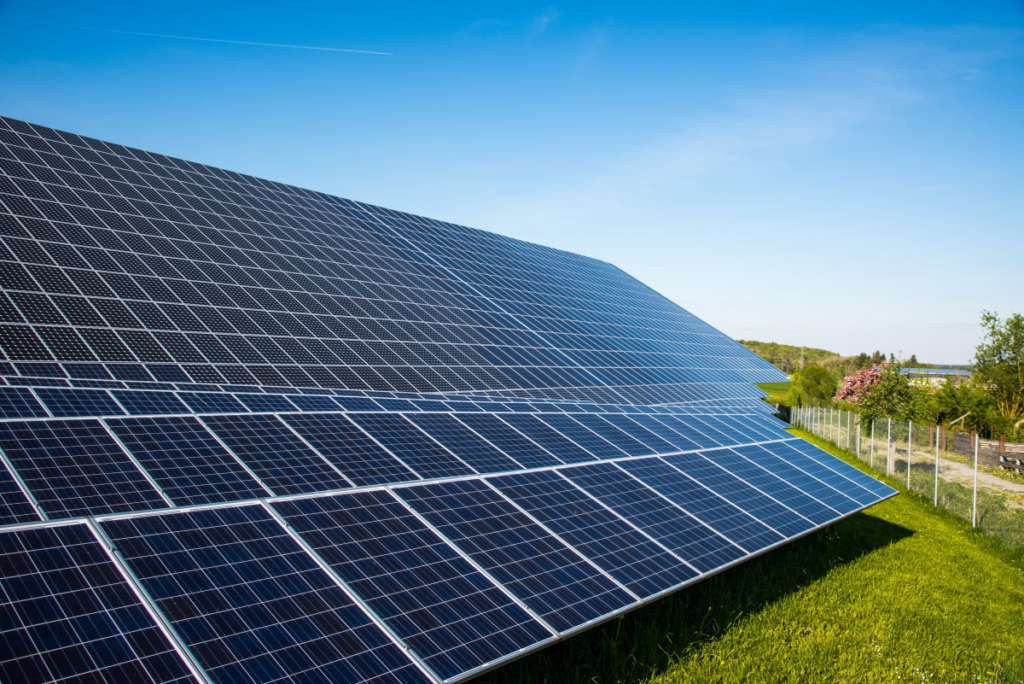
They achieve unparalleled local energy security by utilizing a combination of local renewable sources, especially solar, alongside sophisticated, fast-acting battery storage systems.
The core value of microgrids lies in their ability to instantaneously disconnect from the main grid during disturbances and continue powering critical local infrastructure, ensuring crucial operational continuity.
This decentralized architecture is paramount to climate resilience, protecting hospitals, military bases, and emergency hubs from the increasingly devastating impacts of severe weather events.
The sophisticated operation of every microgrid is managed by an intelligent control center that uses real-time data and AI to optimize energy flow and maintain stable power quality.
Widespread adoption requires policymakers to actively modernize outdated utility regulations and introduce innovative financial models that properly value the immense resilience services microgrids provide to the public.
Ultimately, by leveraging local, clean generation, microgrids offer the critical path toward a future defined by decentralized energy independence, economic stability, and profound climate security.