Introduction: The Urgent Need for a New Agricultural Paradigm
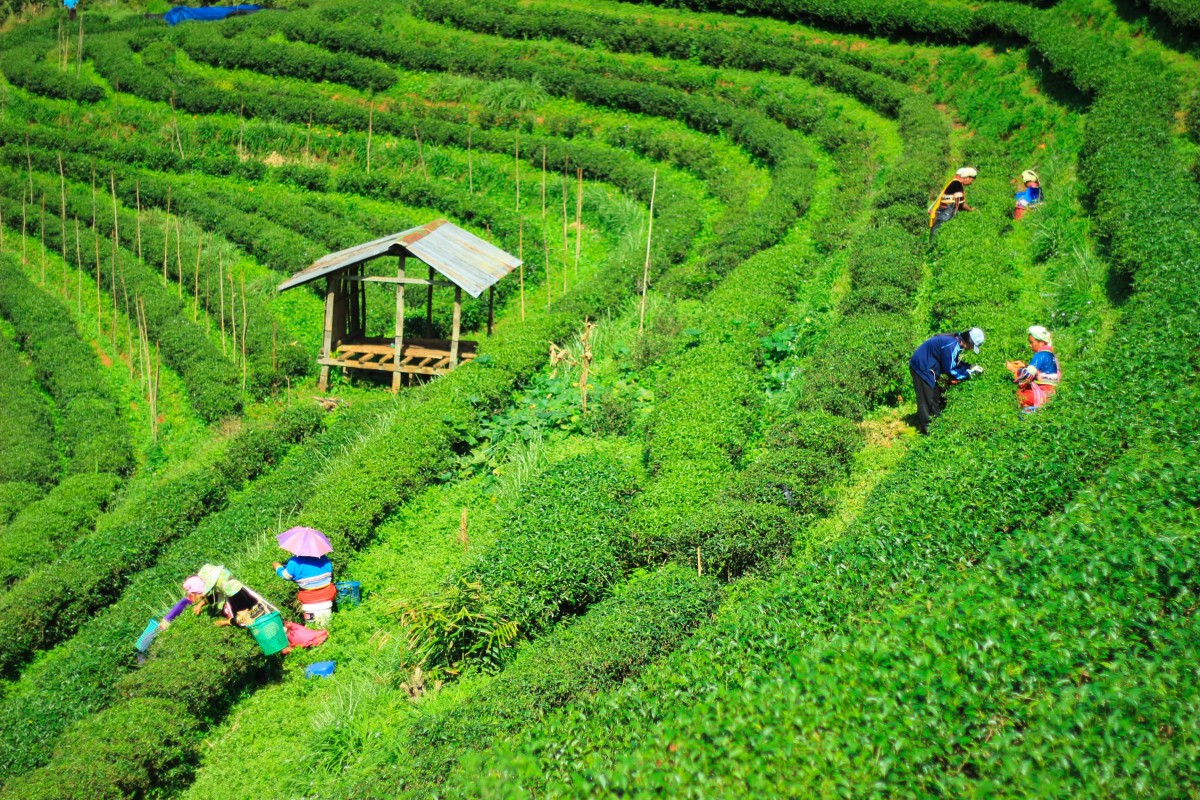
For millennia, human civilization has relied almost entirely on the traditional method of agriculture, which demands vast tracts of arable land, remains highly susceptible to unpredictable weather patterns, and consumes an enormous percentage of the world’s accessible freshwater resources, creating a system that is inherently inefficient and increasingly unsustainable in the face of accelerating global climate change and rapid urbanization.
As the world population continues its relentless expansion, projected to reach nearly ten billion by the middle of this century, the dual pressures of shrinking farmable land per capita and the environmental imperative to reduce agriculture’s significant carbon footprint—driven largely by long-distance transportation and deforestation—have exposed profound vulnerabilities in our conventional food supply systems, making the reliance on open-field farming a critical risk factor for global food security.
This complex crisis demands not just minor improvements in farming techniques but a genuinely radical rethinking of where, how, and under what conditions we produce our food, moving away from relying on external, chaotic environmental inputs toward a model that offers precision, predictability, and localized resilience against global shocks.
This urgent necessity has catalyzed the rise of Vertical Farming, a revolutionary technological approach that utilizes controlled indoor environments and highly automated systems to stack crops vertically, offering a powerful, scalable, and environmentally conscious alternative that promises to stabilize global food production and fundamentally reshape the relationship between cities and their food sources.
Pillar 1: Understanding the Mechanics of Vertical Farming
Vertical farming is defined by the three core principles of stacking, environmental control, and soilless cultivation. These elements combine to create a highly efficient, indoor food production system.
A. The Vertical Stacking Principle
Vertical farms maximize space efficiency by utilizing the third dimension, a dramatic departure from traditional land use.
- Space Utilization: By stacking multiple layers of crops one above the other, often reaching dozens of tiers high inside a warehouse or container, vertical farms can achieve many times the yield per square foot of land compared to horizontal field farming.
- Modular and Urban Placement: This stacking allows the farms to be located directly within urban centers or dense metropolitan areas, repurposing abandoned warehouses, shipping containers, or even underground spaces.
- Reduced Logistics: Locating production near consumption drastically cuts down the “food miles” needed for transportation, leading to fresher produce, lower carbon emissions, and reduced spoilage rates during transit.
B. Controlled Environment Agriculture (CEA)
Total control over the climate ensures optimal growth conditions year-round, regardless of external weather.
- Climate Regulation: Every environmental factor—including temperature, humidity, and carbon dioxide levels—is precisely regulated and maintained at ideal levels for the specific crop, eliminating the risk of droughts, floods, or pest infestations associated with outdoor farming.
- Optimized Lighting: Instead of relying on natural sunlight, which varies by season and time of day, vertical farms use specialized LED lighting systems that emit only the precise spectrums (colors) of light required for photosynthesis, maximizing plant growth and energy efficiency.
- Year-Round Harvests: Because the environment is perfectly controlled, vertical farms can achieve up to 15 to 20 harvest cycles per year for certain crops, compared to the one or two annual cycles typical of conventional outdoor farming in temperate zones.
C. Soilless Cultivation Methods
Vertical farming eliminates the need for large quantities of soil, instead utilizing water- and nutrient-efficient systems.
- Hydroponics: This method involves growing plants with their roots submerged directly in nutrient-rich water. It is highly popular due to its simplicity and efficiency in nutrient delivery.
- Aeroponics: Considered the most water-efficient method, plant roots are suspended in the air and misted with a nutrient solution. This technique often requires up to 95% less water than traditional field irrigation.
- Aquaponics: This technique combines aquaculture (raising fish) and hydroponics. Fish waste provides the nutrients for the plants, and the plants purify the water for the fish, creating a highly sustainable, closed-loop ecosystem.
Pillar 2: The Essential Role of Automation and Robotics
The efficiency and profitability of vertical farming are fundamentally dependent on high-level automation, reducing human labor and maximizing precision.
A. Robotics for Planting and Harvesting
Robots handle the repetitive, precise tasks that require unwavering consistency, eliminating labor variability.
- Seeding and Transplanting: Automated systems, often using precision robotic arms, handle the delicate task of planting seeds and transplanting seedlings from propagation trays to the main growing columns, ensuring minimal damage and optimal spacing.
- Automated Harvesting: Specialized robotic grippers and sensors are used to identify crops that have reached peak ripeness using visual or spectral analysis. The robots then harvest the crop precisely and gently, ensuring uniform quality and minimizing waste.
- Intelligent Logistics: Automated Guided Vehicles (AGVs) or small rail systems transport trays of crops between different environmental zones (e.g., from propagation to maturity) and deliver harvested produce directly to packaging stations.
B. Environmental Monitoring and Data Processing
A dense network of sensors provides the real-time data necessary for the farm’s central AI to function efficiently.
- IoT Sensor Networks: Thousands of Internet of Things (IoT) sensors continuously monitor micro-climate variables at the plant level, recording data on water pH, nutrient concentration, light intensity, and air velocity for every single layer.
- Big Data Analytics: This massive stream of data is fed into a centralized Artificial Intelligence (AI) platform. The AI analyzes the data to detect minute anomalies and predict potential problems, such as the early onset of a nutrient deficiency or disease.
- Predictive Yield Modeling: The AI uses historical and real-time data to constantly adjust growth recipes, optimizing inputs to predict the exact date of harvest and the final expected yield with high accuracy, which is crucial for supply chain planning.
C. Automated Nutrient and Water Delivery Systems
The precision of resource management is a key factor in the environmental superiority of vertical farms.
- Dosing Systems: Computer-controlled dosing systems automatically mix and deliver the precise cocktail of macro- and micronutrients to the water reservoirs for each plant batch. This eliminates nutrient waste and ensures ideal plant health.
- Recirculation and Filtration: The soilless systems recirculate the nutrient water, passing it through advanced filtration and sterilization (often UV light) to prevent disease spread and maximize water efficiency, resulting in up to 95% water savings.
- Automated Cleaning: Some advanced systems incorporate automated cleaning cycles for the growing beds and equipment, maintaining strict hygienic standards and reducing the risk of contamination without the need for high volumes of human labor.
Pillar 3: Environmental and Sustainability Advantages
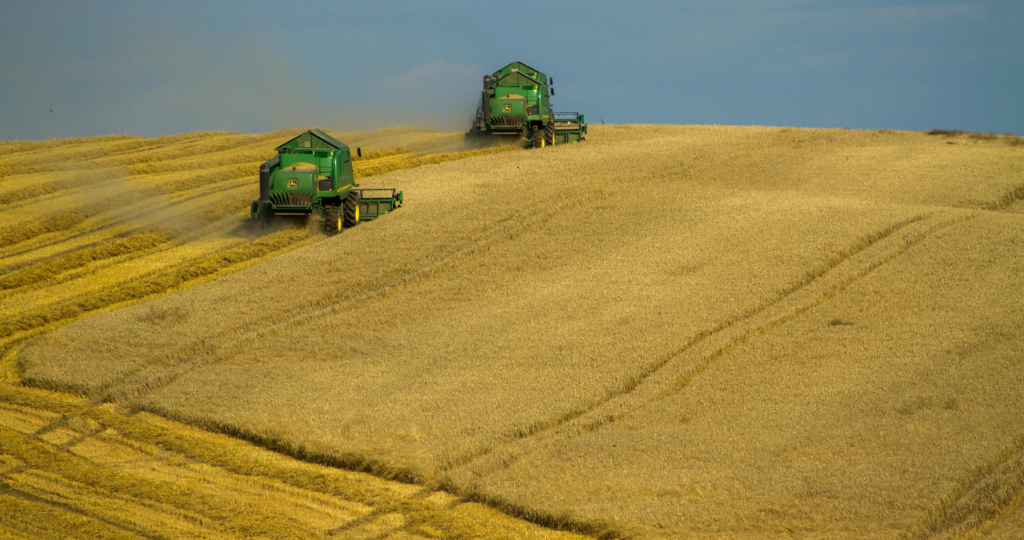
Vertical farming offers compelling solutions to the most pressing environmental challenges posed by traditional agriculture.
A. Water Conservation and Efficiency
The closed-loop nature of indoor farming is revolutionary for water management.
- Recycling Water: Unlike field farming, where water is lost to runoff, evaporation, and absorption into the soil, vertical farms capture and reuse nearly all the water they utilize, often achieving efficiency gains of 90% to 95%.
- Reduced Contamination: Because no agricultural runoff enters rivers or ground water, the system effectively eliminates the risk of nutrient pollution (nitrogen and phosphorus) that creates ecological “dead zones” in coastal areas.
- Localizing Water Use: By placing farms in urban areas, they can potentially be integrated with urban water recycling infrastructure, easing the strain on rural water supplies that are often already overstressed by traditional irrigation demands.
B. Elimination of Pesticides and Herbicides
The controlled environment creates a natural barrier against pests and weeds.
- Pest Exclusion: The fully sealed, climate-controlled nature of the environment prevents the entry of external pests, insects, and weeds. This removes the necessity of using chemical pesticides and herbicides.
- Food Safety: The elimination of these chemical treatments means the produce is inherently cleaner and safer for human consumption, reducing consumer exposure to agricultural chemicals and streamlining the final cleaning process.
- Disease Management: While internal pathogens are a risk, the automated monitoring systems can detect disease outbreaks early (often via spectral analysis) and isolate the affected batch before it spreads, minimizing crop loss without widespread chemical treatment.
C. Land Use and Carbon Footprint Reduction
Vertical farming offers a scalable way to reduce humanity’s overall land footprint.
- Restoring Arable Land: If adopted widely, vertical farming could allow for the restoration of millions of acres of farmland to their natural ecosystems or for the cultivation of carbon-sequestering perennial crops.
- Zero-Emissions Transportation: The massive reduction in food miles, achieved by locating farms in the city where food is consumed, eliminates the fossil fuel emissions associated with long-haul trucking or air freight of produce.
- Reduced Weather Risk: By guaranteeing harvest stability regardless of weather, the system reduces the need for over-planting to offset potential weather-related crop failure, further optimizing resource use.
Pillar 4: Economic Viability and Market Challenges
Despite the technological benefits, vertical farming faces significant economic hurdles that need to be addressed for true market disruption.
A. High Capital and Operating Expenses
The infrastructure required for a vertical farm is far more expensive than traditional land and equipment.
- Initial Capital Investment: Building a fully automated, multi-story facility, complete with specialized LED lights, environmental controls, and robotics, requires massive upfront capital investment, creating high barriers to entry.
- Energy Costs: The greatest ongoing challenge is the high electricity consumption required to power the intense LED lighting and the climate control systems. Although efficiency is improving, this remains the single largest operating expense.
- Return on Investment (ROI) Timeline: Due to the high operational and capital costs, vertical farms often face a much longer timeline to reach profitability compared to conventional farms, demanding sustained financing and robust business planning.
B. Crop Limitations and Product Mix
Currently, not all crops are economically viable to grow in a vertical farm.
- Focus on High-Value Crops: Vertical farms currently focus almost exclusively on high-margin, fast-growing, non-caloric crops like leafy greens, microgreens, herbs, and strawberries, where the premium price point can absorb the higher production cost.
- The Calorie Challenge: Growing staple calorie crops like wheat, corn, rice, or potatoes in a vertical farm is currently economically infeasible because their low market price cannot justify the high energy consumption and stacking height requirements.
- Flavor and Variety: Research is ongoing to perfect the light recipes and nutrient delivery to ensure that vertically farmed produce not only grows fast but also matches or exceeds the flavor profile and nutritional value of its field-grown counterparts.
C. Integration into the Existing Supply Chain
Disrupting a deeply established global system requires seamless integration and partnership, not isolation.
- Market Acceptance: Vertical farms must educate consumers and retailers on the superior quality, safety, and sustainability of their produce to justify the necessary price premium compared to cheaper field-grown alternatives.
- Scaling Distribution: While localized, a network of vertical farms needs a robust, efficient, hyper-local distribution network to serve dense urban populations reliably, requiring specialized logistics planning.
- Data Sharing Standards: For the technology to truly optimize, there must be standardized data protocols for sharing yield predictions and inventory with major grocery chains, ensuring consistent supply and preventing market fluctuations.
Pillar 5: The Future of Vertical Farming and Automation
The next decade of vertical farming promises advancements that will significantly lower costs and expand the range of viable crops, achieving true disruption.
A. AI-Driven “Growth Recipes” and Optimization
The intelligence of the system will become the key competitive advantage.
- Customized Lighting: Future AI will move beyond simple optimal light spectrums to dynamically adjust light intensity and duration throughout the day for each specific plant and growth stage, mimicking natural cycles with greater efficiency.
- Robotic Pollination: For fruiting crops that require manual pollination (like tomatoes or strawberries), micro-drones or small specialized robots are being developed to automate this delicate task, reducing labor and maximizing yield consistency.
- Genome Editing Integration: Combining precise environmental controls with advanced genome sequencingcould allow farms to select and tailor ideal plant varieties that thrive specifically under controlled, stacked conditions, maximizing resource uptake.
B. Decarbonization and Energy Independence
Addressing the high energy cost is paramount for long-term viability and sustainability claims.
- Renewable Energy Integration: Future vertical farms will be designed to be fully integrated with on-site renewable energy sources (solar, wind) or co-located with dedicated waste-to-energy facilities, eliminating their reliance on the conventional power grid.
- Thermal Efficiency: Improved building design, advanced insulation, and heat recovery systems will capture and reuse the large amounts of heat generated by the LED lights and climate control equipment, significantly lowering the net energy expenditure.
- Optimized Light Emitting Diodes (LEDs): Continued innovation in LED technology will increase the Photosynthetic Photon Flux Efficacy (PPF/W), meaning the lights will produce more usable light for plants with less electricity consumption, closing the economic gap with traditional farming.
C. Global Scaling through Decentralized Modularization
The future will see vertical farms become flexible, rapidly deployable units.
- Containerized Farming: Modular, shipping container-based vertical farms allow for rapid deployment anywhere in the world, addressing food deserts and providing immediate, reliable food sources in remote or disaster-stricken regions.
- Residential and Retail Integration: Smaller-scale, automated units will be integrated directly into grocery stores, restaurants, or even residential buildings, allowing consumers to literally harvest produce minutes before consumption, ensuring peak freshness.
- Urban Integration Planning: City planners will begin to mandate or incentivize vertical farm integration into new commercial real estate developments, recognizing them as essential components of resilient, future-proof urban infrastructure, fundamentally securing the local food supply chain.
Conclusion: Securing the Future of Global Sustenance
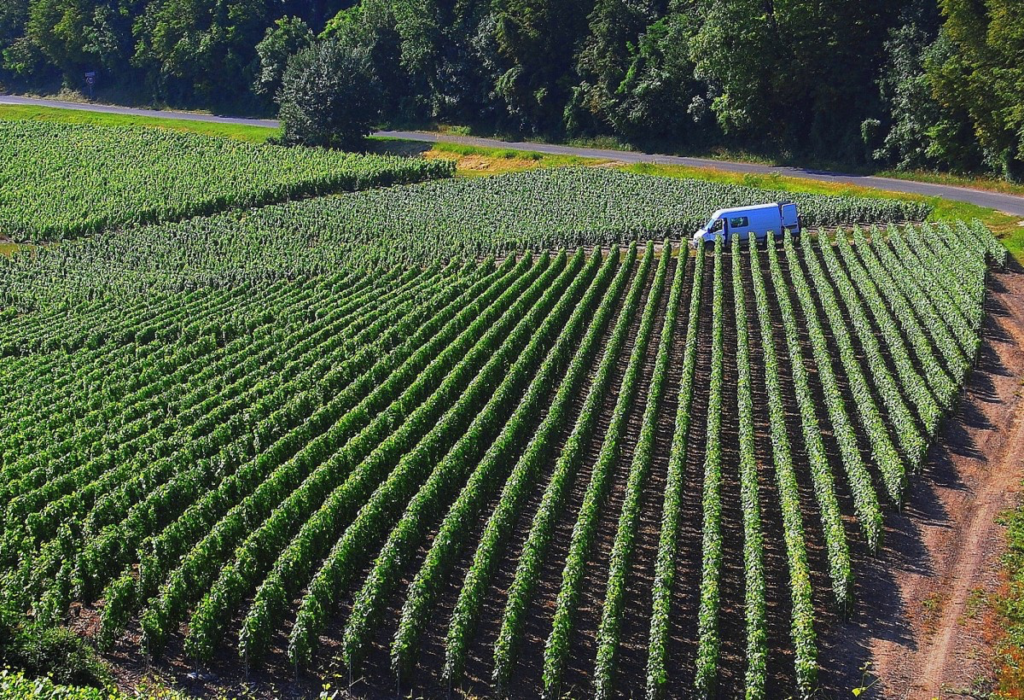
Vertical farming represents a necessary technological pivot away from the limitations and unsustainability of traditional open-field agriculture.
Its efficiency is built upon the foundational principles of stacking crops, complete environmental control, and sophisticated soilless cultivation methods.
The crucial economic factor driving its feasibility is the complete integration of advanced robotics, IoT sensing, and artificial intelligence for precise automation.
This system offers massive environmental advantages, including the elimination of chemical pesticides and, most critically, water consumption savings of up to 95%.
The ability to locate production directly within dense urban centers drastically reduces the carbon footprint associated with long-distance food transportation.
However, the industry must overcome high initial capital costs and the challenge of lowering the operational expense associated with massive energy consumption before widespread adoption is feasible.
The future of the sector relies on scientific breakthroughs that further improve LED efficiency and strategic adoption of AI-driven “growth recipes” to broaden the range of economically viable crops.
Ultimately, vertical farming is poised to become an indispensable component of the global food matrix, ensuring resilience, stability, and guaranteed fresh supply for the rapidly growing urban populations of the 21st century.